

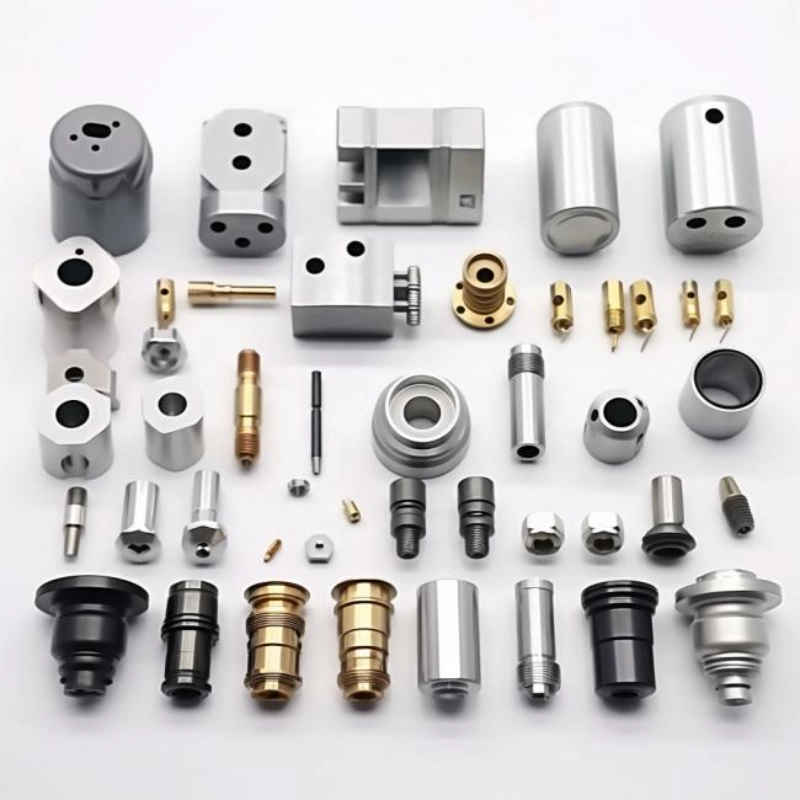
The aerospace industry moves faster than ever in 2026. Consequently, selecting the right manufacturing partner is no longer just about the lowest bid. It is about survival, safety, and sub-micron precision. One minor deviation in a turbine blade or structural bracket can lead to catastrophic results.
When you look for a 5-axis CNC machining manufacturer, you need a partner that understands high-stakes engineering. Traditional 3-axis shops simply cannot handle the complex geometries of modern aircraft. You must look for advanced technology, rigorous quality systems, and deep material expertise. In this guide, we will show you exactly how to audit your suppliers.
1. Verify Industry-Specific Certifications and Compliance
In aerospace, certifications are the “license to fly.” You must never compromise on these standards.
AS9100 Rev D and ISO 9001
Does the manufacturer hold a current AS9100 certification? This is the gold standard for aerospace quality management. It ensures full traceability of every raw material batch. Furthermore, it mandates a proactive approach to risk management. If a shop only has ISO 9001, they might lack the specific discipline required for flight-critical parts.
NADCAP Accreditation
For “Special Processes” like heat treating or chemical coating, look for NADCAP accreditation. This proves the 5-axis CNC machining manufacturer controls every variable in the finishing stage. Many suppliers outsource these steps, which increases your risk.
2. Evaluate Advanced 5-Axis Capabilities and Equipment
Not all 5-axis machines are equal. You need to know if the equipment can maintain accuracy under extreme loads.
Simultaneous vs. 3+2 Positioning
Ask the manufacturer if they perform “simultaneous” 5-axis cutting. Some shops use “3+2” machining, which is less precise for complex curved surfaces. Simultaneous motion is essential for airfoils, impellers, and intricate cooling channels. This technology allows the cutting tool to stay perpendicular to the surface at all times.
Machine Rigidity and Thermal Stability
Aerospace alloys like Titanium Grade 5 and Inconel 718 are incredibly tough. Therefore, the machines must be heavy and rigid to prevent vibration. In 2026, leading shops also use thermal compensation sensors. These sensors adjust for minute expansions caused by heat during long production runs. Ensure your supplier uses high-end brands like Hermle, Mazak, or Grob for these critical tasks.

3. Audit Their Quality Control (QC) Infrastructure
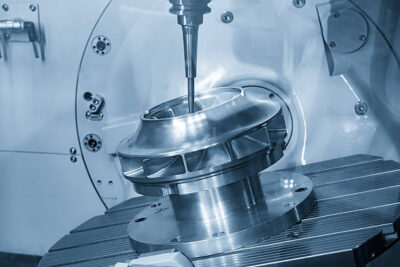
In 2026, “inspecting quality in” is an outdated concept. You want a manufacturer that “builds quality in” from the start.
CMM and In-Process Probing
A top-tier 5-axis CNC machining manufacturer uses Coordinate Measuring Machines (CMM) in a climate-controlled room. However, you should also look for in-process probing. This allows the machine to measure the part while it is still on the fixture. It catches errors before the part ever leaves the machine.
-
First Article Inspection (FAI): Every new project must have a detailed AS9102 FAI report.
-
Non-Destructive Testing (NDT): Check if they offer ultrasonic or X-ray testing for internal cracks.
-
Surface Roughness: Aerospace parts often require a Ra 0.8 finish or better to prevent fatigue.
4. Material Expertise and Supply Chain Traceability
Aerospace components often use exotic materials that are difficult to machine. Your partner must have a proven track record with these alloys.
Handling Titanium and Superalloys
Titanium is prone to “work hardening” if the speeds and feeds are wrong. A reckless shop will ruin expensive raw materials quickly. Ask for case studies involving Inconel or 7075-T6 Aluminum. They should demonstrate their knowledge of chip evacuation and tool wear management.
Digital Traceability Systems
In 2026, paper logs are not enough. High-end manufacturers use digital tracking for every part. This includes heat treat numbers, material mill certs, and operator logs. Choosing Voguc provides you with a seamless digital thread for your entire project. This transparency is vital for FAA or EASA audits.
5. Technical Support and DFMA Collaboration
The best relationship with a 5-axis CNC machining manufacturer is a partnership, not a transaction.
Design for Manufacturing Analysis (DFMA)
Can their engineers suggest changes to reduce weight or cost? Often, a small design tweak can make a part much easier to machine on 5 axes. This collaboration saves you weeks of time and thousands of dollars. Look for a team that uses advanced CAM software like Hypermill or Mastercam for simulation.
Proactive Communication
Do they alert you to potential issues immediately? In aerospace, bad news must travel fast. You need a partner that provides real-time updates on production status. This level of service is why many global leaders choose Voguc for their most sensitive UAV and satellite projects.
Protect Your Project with Precision
In summary, vetting an aerospace supplier requires a deep dive into their culture and tech. You must verify AS9100 compliance and simultaneous 5-axis capabilities. Furthermore, you must ensure they have the QC tools to prove their accuracy.
Don’t gamble with your flight-critical components. By following this vetting process, you minimize risk and maximize performance. In 2026, the sky belongs to those who prioritize quality. Whether you are building drones or rockets, choose Voguc for a partner that never misses a micron. Your next breakthrough deserves the world’s best machining expertise. 🌟