


The development of medical devices requires precision, quality, and functionality, especially during the prototype phase. Prototyping plays a crucial role in transforming an initial idea into a fully functional product. One of the most effective methods for creating prototypes for medical devices is Medical Device CNC Machining. This advanced manufacturing process allows engineers and manufacturers to produce highly accurate and reliable prototypes for testing, validation, and final production. In this article, we will explore the key role Medical Device CNC Machining plays in prototyping, its benefits, and how it can enhance the overall development process.
What is Medical Device CNC Machining?
Before diving into its role in prototyping, let’s define Medical Device CNC Machining. CNC (Computer Numerical Control) machining refers to a process where computer-controlled machines are used to precisely carve and shape materials like metals, plastics, and composites. In the medical device industry, CNC machining is employed to manufacture components with high precision and tight tolerances.
Medical devices, ranging from surgical instruments to implants, require extreme accuracy and reliability. CNC machines offer the capability to achieve these requirements by following pre-programmed designs, which results in consistent and repeatable production.

How Does Medical Device CNC Machining Aid in Prototyping?
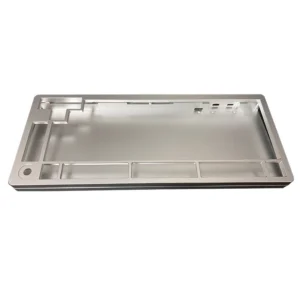
Precision and Accuracy
One of the primary reasons Medical Device CNC Machining is preferred for prototype development is its precision. Medical device prototypes require extremely tight tolerances to ensure functionality and safety. CNC machining provides high accuracy, allowing manufacturers to produce prototypes that closely resemble the final product in both form and function. Whether you need a complex implant or a surgical tool, CNC machining can produce prototypes with the required specifications.
Customization for Complex Designs
Medical device prototypes often have intricate designs that need to be tested before mass production. CNC machining offers unparalleled customization options, allowing manufacturers to create complex geometries and features that are impossible or too costly to achieve with traditional manufacturing methods. For example, prototypes for custom implants or minimally invasive tools can be produced with highly specific features tailored to the medical field.
Rapid Prototyping
In medical device development, time is of the essence. Rapid prototyping is crucial to test different designs and perform iterative improvements. Medical Device CNC Machining allows for the quick fabrication of prototypes, reducing lead times and speeding up the development cycle. This fast turnaround is vital for gathering feedback, testing, and refining prototypes before moving to full-scale production.
Material Versatility
Medical Device CNC Machining can be performed on a wide range of materials, including metals, polymers, ceramics, and composites. The versatility of materials available for machining allows manufacturers to prototype medical devices using materials that closely match those that will be used in the final product. This ensures that the prototype undergoes real-world conditions and provides accurate data on performance.
Consistency and Reproducibility
One of the biggest advantages of CNC machining in prototyping is the ability to produce consistent results. Since the process is controlled by a computer program, each prototype produced is identical, minimizing human error. This consistency is essential when prototyping medical devices, as it allows for repeated testing and validation with a high degree of confidence in the prototype’s performance.

Key Benefits of Medical Device CNC Machining in Prototyping
-
High Precision: Achieving tight tolerances and exact measurements that are critical for medical device functionality.
-
Faster Time-to-Market: Rapid prototyping speeds up the process of getting the prototype ready for testing and regulatory approval.
-
Customization: Ability to create complex shapes and detailed designs for specialized medical devices.
-
Cost-Effectiveness: Reduces the cost of errors and revisions, as prototypes can be created efficiently with minimal waste.
-
Material Flexibility: Diverse material options allow for real-world testing of prototypes with materials that match those in final production.
The Role of CNC Machining in Testing and Validation
CNC machined prototypes not only allow for visual inspection but also facilitate functional testing. Prototypes can be tested for performance, durability, and usability, which helps identify potential issues early in the design phase. By simulating real-world conditions, manufacturers can determine whether the medical device meets all necessary requirements before mass production begins.
Additionally, CNC machining can support regulatory compliance. Medical devices must meet stringent industry standards, such as those from the FDA or ISO. Prototyping with CNC machining ensures that the device is compliant with these standards, reducing the risk of costly delays and rejections.
How Can You Benefit from Medical Device CNC Machining?
As a manufacturer, choosing the right prototyping process is critical to the success of your medical device. Partnering with a Voguc CNC machining provider that specializes in Medical Device CNC Machining can offer several advantages:
-
Expertise and Experience: Working with a specialized provider ensures that your prototypes meet all necessary industry standards and are produced with the highest quality.
-
Advanced Equipment: Modern CNC machines offer the latest in precision technology, ensuring the best possible results.
-
Efficient Process: By choosing the right CNC machining partner, you can streamline your prototyping phase, reduce costs, and accelerate time-to-market.

Conclusion:
Medical Device CNC Machining is a key technology that allows manufacturers to produce high-quality prototypes for medical devices. Its precision, rapid prototyping capabilities, material versatility, and cost-effectiveness make it the preferred choice for testing and refining designs. By using Voguc CNC machining, you can ensure that your medical device prototypes meet the highest standards of performance and safety, while also reducing the time and cost of the development process.
FAQ
1. What materials can be used for medical device CNC machining?
CNC machining can be performed on a variety of materials, including stainless steel, titanium, medical-grade plastics, and ceramics. The material choice depends on the type of medical device being prototyped.
2. How long does it take to create a prototype using CNC machining?
The time required to create a prototype depends on the complexity of the design. Generally, CNC machining offers fast turnaround times, allowing for rapid prototyping in a matter of days to weeks.
3. Can CNC machining be used for mass production of medical devices?
Yes, CNC machining is not only ideal for prototyping but also for low- to medium-volume production runs. For large-scale production, other methods like injection molding may be more cost-effective, but CNC machining remains a viable option for consistent quality.