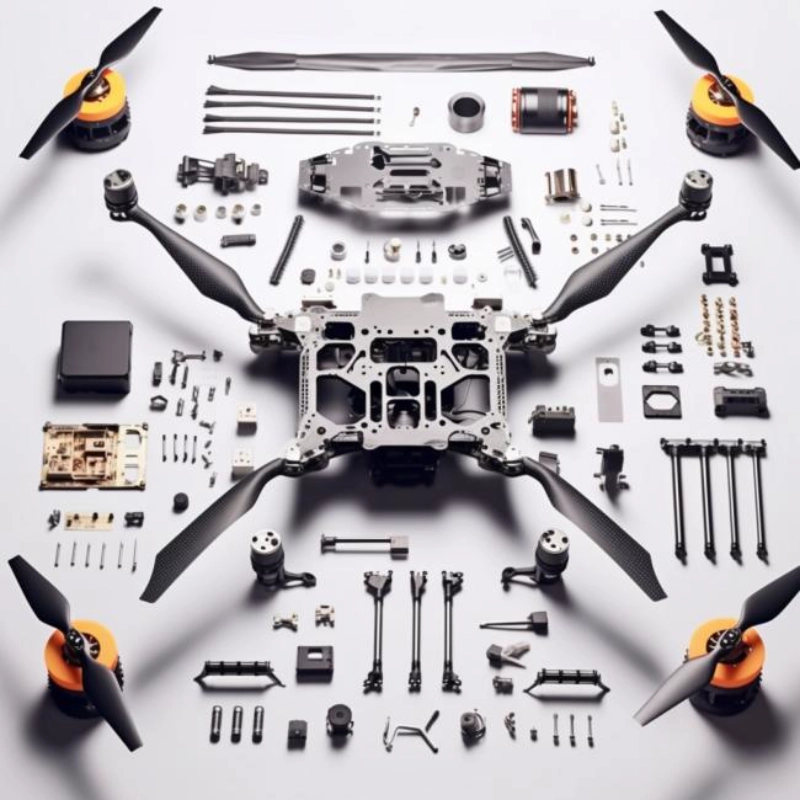


Mechanical engineers and manufacturers face rising demands for tighter part tolerances. As components evolve, accuracy becomes more critical. Therefore, many teams now rely on a Prototype CNC machining service to reach stable dimensional performance. This approach ensures reliable validation, faster iteration, and improved structural integrity. Moreover, it delivers consistent results for industries where accuracy drives performance. When teams need dependable prototype accuracy, many choose Voguc Prototyping Services for stable and repeatable outputs.
Understanding Why Accuracy Drives Modern Mechanical Design
Accuracy supports stable device performance and smooth system integration. Modern machines rely on tight-fitting components. Even small deviations create friction, vibration, or system instability. Consequently, accuracy becomes a priority during prototyping. Engineers must confirm part geometry before mass production. A Prototype CNC machining service offers a clear solution. It gives teams full control over early-stage validation. Therefore, teams identify issues before production risks expand.
Additionally, accurate prototypes help validate assembly alignment. Engineers assess part interaction during motion cycles. This reduces design conflicts and long-term failure risks. Since mechanical systems require structural balance, accuracy supports overall system reliability. As industries demand thinner designs, accuracy becomes even more essential.
How Prototype CNC Machining Services Improve Part Accuracy
A reliable Prototype CNC machining service strengthens accuracy through controlled machining conditions. CNC machines run programmed tool paths with steady speeds and managed forces. Therefore, they avoid operator-driven deviations. This approach creates repeatable results at every prototype stage. Moreover, CNC processes follow digital models closely. This reduces dimensional drift and helps teams secure tight tolerances.
Stable Digital-Based Machining Ensures Geometric Precision
CNC machining uses digital files to guide tool motion. The machine follows fixed coordinates with high repeatability. Therefore, prototypes match the intended CAD geometry. This digital consistency reduces shape distortion, surface unevenness, and dimensional shifts. Because digital machining avoids manual interference, accuracy remains stable through long production runs. For industries that demand strict tolerances, this benefit becomes extremely valuable.
Controlled Cutting Forces Reduce Vibration and Material Deformation
Mechanical accuracy drops when rough cutting generates vibration. CNC machines minimize this issue. They rely on optimized speed and feed settings. These parameters reduce cutting stress and prevent soft material bending. As a result, the part keeps its designed dimensions. CNC machines also use rigid fixtures to secure the part surface. This clamps the material tightly and reduces movement during tool engagement. Therefore, accuracy rises and deformation risk decreases.
High-Precision Tools Maintain Dimensional Stability Across All Edges
CNC machines cut with carbide or diamond tools that sustain sharp edges over long use. This ensures smooth surface formation. Sharp tools create clean boundaries and avoid over-cutting. As a result, edge tolerance improves. High-precision tooling also supports micro-adjustment capabilities. The machine compensates for minor tool wear during the cycle. Consequently, part accuracy improves even during long machining runs.

Why CNC Prototype Precision Helps Mechanical Teams Reduce Risk
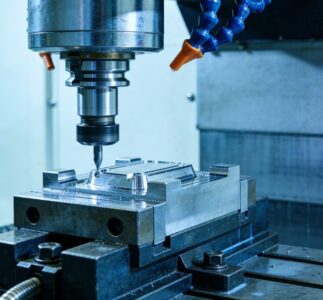
Accurate prototypes reduce engineering risks. They support safe testing and protect downstream production. Because CNC machining provides consistent accuracy, teams validate mechanical load scenarios earlier. Early accuracy reduces guesswork. Engineers trust the data they gather from tests. This helps optimize part strength, weight, and geometry before mass production.
Early Tolerance Verification Prevents Assembly Issues Later
Loose tolerances cause alignment issues during assembly. A Prototype CNC machining service helps confirm tolerance compatibility early. Engineers check fitment with mating parts. This process prevents future assembly delays. Moreover, it reduces expensive rework needs. With accurate prototypes, the team gains confidence before scaling production.
Accurate Prototypes Improve Structural and Functional Testing
Functional tests require stable geometry. Vibrations or loads behave differently when parts lack accuracy. CNC-machined prototypes provide realistic performance data. Engineers run load, motion, and thermal tests with reliable results. As a result, teams refine product safety and system stability. Therefore, CNC accuracy strengthens real-world product evaluation.
Why Choosing Voguc’s Prototype Machining Service Enhances Part Accuracy
When teams need accuracy, service capability matters. Voguc Prototyping Services uses advanced multi-axis CNC machines. These machines support complex geometries with stable tolerance performance. Moreover, Voguc ensures consistent process control for metal and plastic materials. This helps teams test parts across complex mechanical systems. Their operators and engineers monitor every machining step. Therefore, prototypes maintain geometric clarity and dimensional trustworthiness.
Voguc also integrates strict inspection. Their measurement systems verify each dimension before delivery. Consequently, customers receive prototypes aligned with industry standards. This support helps teams accelerate validation. Therefore, Voguc becomes a strong partner for accuracy-focused mechanical projects.
Key Advantages of Using Prototype CNC Machining for Accuracy
Below are the principal accuracy-driven advantages:
-
High tolerance repeatability across metal and plastic parts
-
Stable digital machining for consistent geometric results
-
Improved surface integrity with smooth edges
-
Strong structural stability with controlled cutting forces
-
Faster design iteration cycles due to predictable accuracy
-
Reliable material performance during load or movement tests
-
Reduced engineering rework before mass production
These benefits help mechanical teams make reliable decisions. Moreover, they reduce risks and protect project schedules.

Conclusion
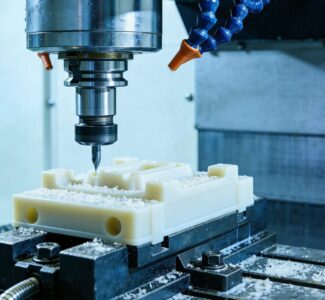
Mechanical accuracy determines reliability. A Prototype CNC machining service supports this need through digital precision, stable cutting control, and high-tolerance execution. As a result, teams improve part quality and reduce engineering challenges. Because CNC prototypes deliver consistent accuracy, they help teams finalize designs with confidence. Furthermore, selecting Voguc Prototyping Services ensures stable accuracy, efficient validation, and strong technical support. Mechanical teams gain clear value from dependable prototype quality.
FAQs
1. How does prototype CNC machining improve tolerance control?
It uses digital paths and stable forces to keep dimensions accurate.
2. Why is accuracy important during prototype development?
It helps validate fitment, movement, and structural reliability.
3. Why choose Voguc for prototype machining?
Voguc ensures tight tolerance performance, stable quality, and strict inspection.