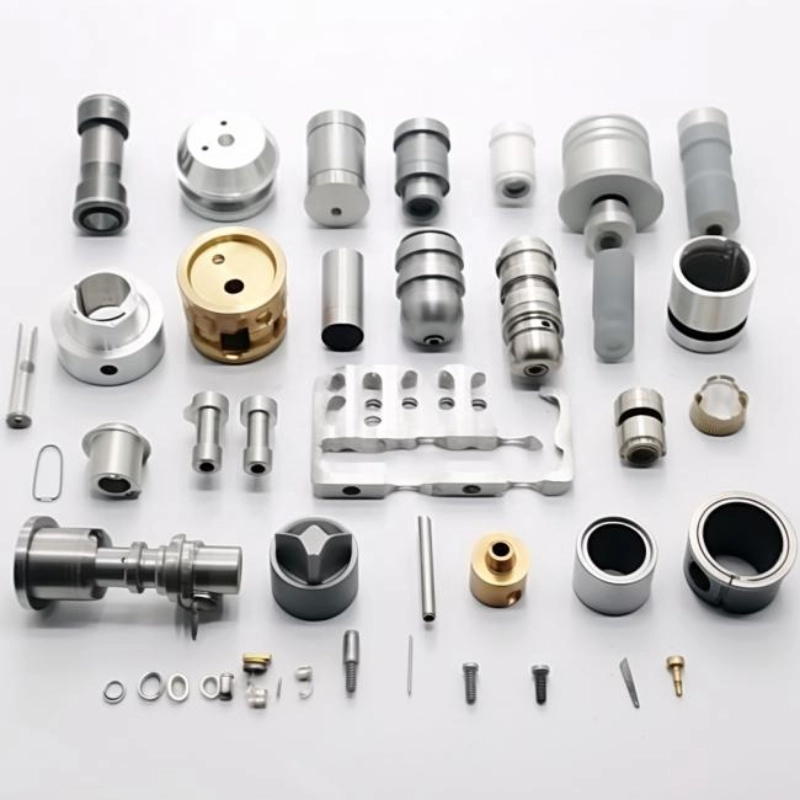


Medical devices must meet strict safety requirements because they directly interact with human tissue. Manufacturers therefore need reliable engineering methods that deliver accurate and biocompatible components. High precision CNC machining supports this need with controlled processes and stable outputs. It helps engineers create safe components that perform well in critical clinical environments.
As healthcare advances, demand for clean, smooth, and dimensionally accurate parts continues to grow. This article explains how high precision CNC machining supports safe medical production. It also describes why choosing Voguc High-precision machining services strengthens quality and improves long-term reliability.
Why Medical Devices Require Extreme Biocompatibility
Biocompatibility Equals Patient Safety
Biocompatibility defines how a material interacts with the human body. Medical components must avoid contamination, irritation, or unwanted reactions. Even small defects may introduce risk. Therefore, manufacturers need methods that protect material purity and surface stability.
High precision CNC machining helps maintain a clean and controlled material structure. It limits stress and heat during cutting. It also supports smooth and predictable surface conditions that reduce clinical risk.
Precision: Driver of Material Integrity
Every medical-grade material must retain its natural biocompatibility. Titanium, stainless steel, and PEEK tolerate machining well when the process remains controlled. Precision CNC machining protects these materials by using optimized tool speeds, clean coolants, and stable cutting paths.

How High Precision CNC Machining Improves Accuracy and Safety
Precision Enables Safe Performance
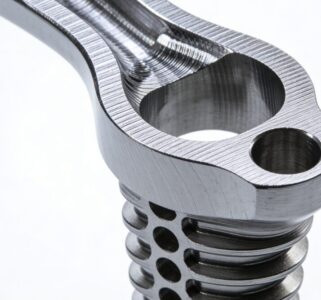
Accurate geometry influences how devices move, lock, and integrate with surgical tools. Loose tolerances may cause mechanical interference or clinical harm. High precision CNC machining keeps tolerance drift low, even across large batches. This accuracy supports safe performance in implants, housings, and surgical instruments.
Smooth Finishes Enhance Biocompatibility
Surface finish plays a major role in device safety. Rough surfaces may trap debris or increase infection risk. Furthermore, micro-scratches may weaken long-term performance. CNC machining uses advanced tool paths to maintain consistent smoothness. This helps prevent contamination and supports easier sterilization.
Why Stable and Controlled CNC Processes Improve Medical Reliability
Repeatability Key to Certification
Medical devices face strict regulations. Manufacturers must show proof of stable production quality. High precision CNC machining supports this with repeatable output and digital process tracking. Engineers rely on this consistency to pass audits and maintain long-term compliance.
Cleanliness Ensures Contamination Control
Contamination control matters in every production stage. Coolants, clamps, and tools require monitoring. High precision CNC machining supports clean operations with controlled cutting fluids and filtered chip removal. These procedures help maintain component purity before final cleaning or passivation.
Micromachining for Safer Micro-Devices
Many modern medical devices require micro-scale channels, miniature screw threads, and detailed features. High precision CNC machining supports these demands with high-speed spindles and micro-cutting tools. This allows engineers to build smaller devices without losing strength or safety.
Choose Reliable High-Precision Partners for Safe Medical Production
Voguc: Precision for Medical Excellence
Medical companies need stable machining partners that understand compliance, cleanliness, and accuracy. Voguc High-precision machining services help manufacturers control each stage of production. They use advanced CNC platforms, detailed inspection workflows, and clean operating environments. These capabilities support biocompatible surfaces, accurate geometries, and stable material behavior.
Voguc Ensures Safety & Reliability
Voguc maintains strict process discipline. Their inspection systems evaluate dimensions, roughness, and structural quality. Their teams respond quickly to design changes while still controlling risk. As a result, device manufacturers reduce errors, accelerate development, and protect patient safety.

Key Technical Advantages of High Precision CNC Machining for Medical Devices
Better Dimensional Stability
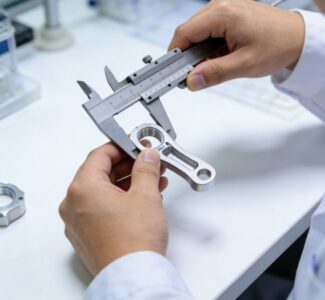
High precision CNC machining reduces geometric variation. Stable cutting paths help engineers meet tight medical tolerances.
-
Strong part-to-part accuracy
-
Reliable mechanical fit
-
Improved clinical performance
Enhanced Surface Quality
Smooth surface finishes improve patient safety and reduce contamination.
-
Lower bacterial adhesion
-
Easier sterilization
-
Longer device lifespan
Material Integrity Protection
The machining process uses controlled feed rates and balanced tool loads.
-
Less heat damage
-
Minimal deformation
-
Better long-term strength
Conclusion
High precision CNC machining supports safe and biocompatible medical components. Its strong accuracy, clean surface finishes, and controlled processes improve reliability across surgical, diagnostic, and implant applications. When medical organizations choose advanced machining partners, they reduce risk and improve product quality.
Voguc High-precision machining services provide the capabilities needed to support clean, consistent, and compliant medical production. Their experience and disciplined process control offer stable quality, fast delivery, and long-term reliability for demanding clinical environments.
FAQs
1. Why does high precision CNC machining improve medical device safety?
It improves dimensional accuracy, surface quality, and material stability.
2. How does CNC machining support biocompatibility?
It limits contamination, heat damage, and surface defects.
3. Why should manufacturers choose Voguc for medical machining?
Voguc offers controlled workflows, reliable accuracy, and advanced inspection.