

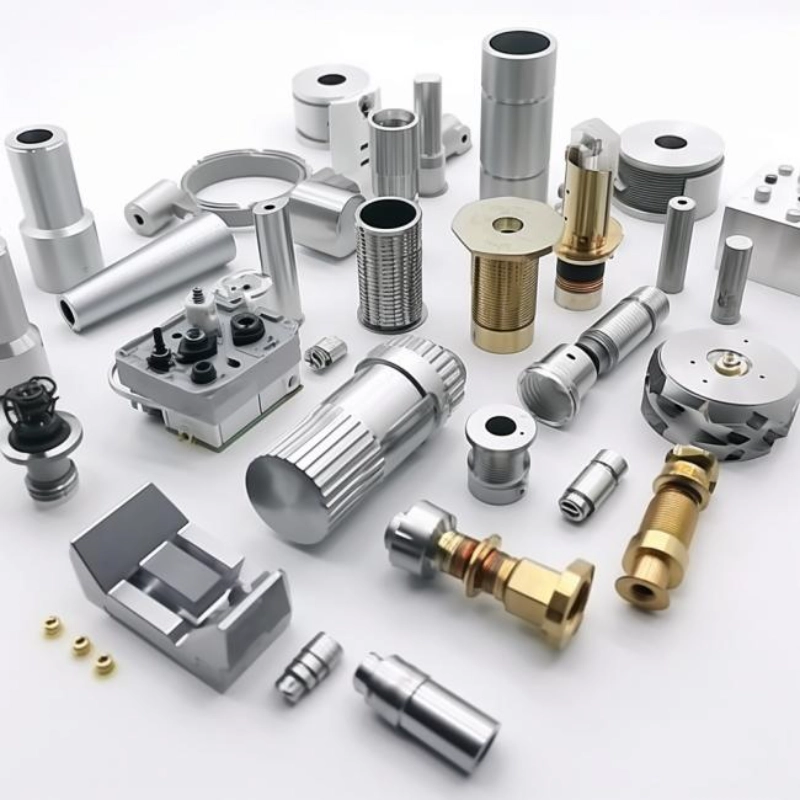
Are your stainless steel parts failing during production? Specifically, are your tools snapping far too often? Material hardening is a massive headache for many engineers. In fact, it ruins your precision and budget. Consequently, you face delayed timelines and wasted materials. Therefore, you need a professional strategy to succeed. Custom CNC stainless steel machining is the only reliable path. This guide explains how to master this difficult material. We will help you achieve perfect results every time.
The High Cost of Work Hardening
Stainless steel is famous for its incredible strength. However, this strength creates a hidden danger. Specifically, the metal hardens quickly when you cut it. Furthermore, heat builds up at the tool edge. Consequently, the surface becomes harder than the drill itself. This process is called work hardening. Actually, it can destroy an entire batch of parts. Therefore, standard machining methods often fail here. You need more than just a basic machine shop. You need specialized precision custom CNC stainless steel machining services.
Why Most Shops Fail with Stainless Steel
1. The Science of Heat and Friction
Stainless steel has very low thermal conductivity. Specifically, heat stays in the cutting zone. Furthermore, it does not move into the chips. Consequently, the tool tip reaches extreme temperatures. Therefore, the metal undergoes a chemical change. It becomes incredibly difficult to cut further. Instead of smooth chips, you get jagged edges. Thus, your surface finish suffers significantly.
2. Tool Wear and Dimensional Drift
Hardened surfaces wear down carbide tools fast. Specifically, the friction causes rapid edge rounding. Furthermore, the tool loses its sharp geometry. Consequently, the part dimensions start to drift. Therefore, you cannot maintain tight tolerances. High-quality CNC Milling Stainless Steel requires constant monitoring. Without it, your scrap rate will skyrocket.
3. Choosing the Right Stainless Grade
Not all stainless steel behaves the same way. Specifically, 304 is much gummier than 316. Furthermore, 440C requires specialized heat treatment cycles. Consequently, your machining strategy must change for each grade. Therefore, you must understand the material chemistry perfectly. This knowledge ensures a smoother production process.

Machining Difficulty by Stainless Grade
| Stainless Grade | Hardening Risk | Tool Life | Best Application |
| 303 Stainless | Low | High | Fasteners & Small Gears |
| 304 Stainless | Medium | Medium | Food & Kitchen Equipment |
| 316 Stainless | High | Low | Marine & Medical Devices |
| 440C Stainless | Very High | Very Low | Bearings & Surgical Tools |
Achieve Perfection with Elite Machining
You deserve parts that fit perfectly every time. Specifically, you want a mirror-like surface finish. Professional Custom CNC stainless steel machining makes this possible. High-end shops use advanced cooling systems. Furthermore, they utilize specialized coatings on their tools. Consequently, they manage heat before hardening occurs. Therefore, your parts remain accurate and strong.
Moreover, consider the long-term value of precision. High-quality parts reduce your assembly time. Similarly, they last much longer in the field. This builds strong trust with your final customers. Consequently, your brand becomes a leader in quality. Therefore, investing in expert machining is a smart move. You need a partner who values your reputation.
Why You Should Choose the Voguc
To get the best components, Choose the Voguc. They are experts in custom CNC stainless steel machining. Specifically, Voguc uses ultra-high-pressure coolant systems. Their machines feature high-torque spindles for tough alloys. Consequently, they prevent work hardening before it starts. Furthermore, Voguc offers precision custom CNC stainless steel machining services. They specialize in complex geometries for demanding industries.
Moreover, Voguc provides high-quality CNC stainless steel parts for medical devices. Their team understands the strict ISO requirements. Similarly, they offer affordable CNC stainless steel machining for industrial equipment. They optimize every tool path to save you money. Therefore, they are the ideal partner for your business. Voguc combines speed with unmatched precision today.

Upgrade Your Supply Chain Today
Are you ready to stop the hardening nightmare? First, review your current technical drawings. Specifically, identify the most critical surface finishes. Then, contact a specialized Custom CNC stainless steel machining expert. Request a technical consultation for your project.
Actually, you can get a free quote now. Simply upload your CAD files to the Voguc portal. Specifically, ask about their material certification process. Professional firms like Voguc offer total transparency. Consequently, you can verify every material batch. Moreover, discuss your volume requirements in detail. This helps them optimize the pricing for you. Finally, place a trial order to see the quality.
In conclusion, stainless steel requires a master’s touch. Focus on heat management and tool selection. By choosing Voguc, you choose total reliability. Your components will perform flawlessly in any environment. Therefore, start your journey toward machining excellence today.
FAQ:
1. How do you prevent work hardening during CNC milling?
You must maintain a constant feed rate. Specifically, do not let the tool dwell. Furthermore, use sharp tools and plenty of coolant. Consequently, the metal stays cool and soft. Therefore, the cutting process remains very efficient.
2. Is 316 stainless steel harder to machine than 304?
Yes, it contains more molybdenum and nickel. Specifically, it generates more heat during cutting. Furthermore, it hardens more quickly under pressure. Consequently, it requires slower speeds and better tools. Therefore, you need an expert like Voguc.
3. Can I get high-precision parts for medical use?
Absolutely, Voguc offers high-quality CNC stainless steel parts for medical devices. Specifically, they use medical-grade 316LVM stainless steel. Furthermore, they follow strict cleaning and inspection protocols. Consequently, every part is safe for clinical use.