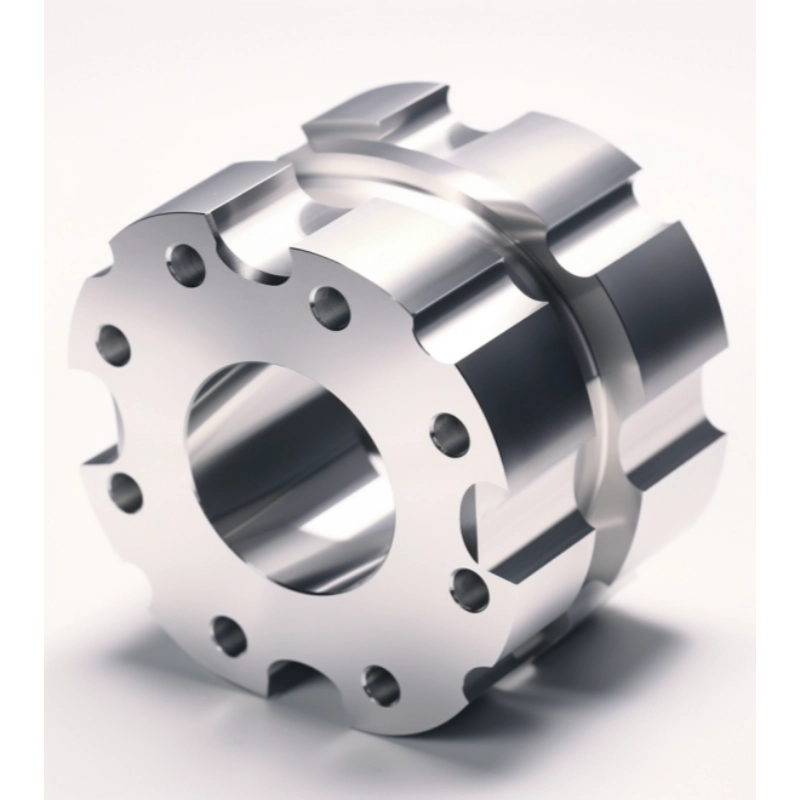


In 2026, the race for efficiency has never been more intense. Engineers are constantly pushing the limits of speed, fuel economy, and durability. Whether it is a high-altitude drone or an electric vehicle (EV), one material dominates the factory floor: Aluminum.
But why is the Aluminum CNC machining service the “gold standard” for these high-stakes sectors? The answer lies in the perfect marriage of advanced metallurgy and robotic precision. Today, we dive into how this process transforms raw blocks of metal into flight-ready components and high-performance automotive gears.
Why Industry Giants Choose Aluminum
The aerospace and automotive sectors demand a rare combination of strength and lightness. Aluminum delivers this balance better than almost any other industrial metal.
Unmatched Strength-to-Weight Ratio
Aluminum is roughly one-third the weight of steel. However, when treated correctly, it exhibits remarkable structural integrity. For aerospace, every gram saved translates to more payload or less fuel consumption. In the automotive world, lighter chassis improve EV battery range and handling.
Exceptional Machinability and Speed
Compared to titanium or stainless steel, aluminum is far easier to cut. This high “machinability” means a professional Aluminum CNC machining service can run spindles at higher speeds. Faster cycles lead to lower costs and shorter lead times. For 2026, this speed is crucial for meeting the “just-in-time” demands of global supply chains.
Precision Meeting Performance: Key Alloys 🛠️
To understand the “ideal” nature of this service, we must look at the specific alloys that power these industries.
Aerospace Grade: 7075-T6 Aluminum
Often called “Aircraft Grade,” 7075 is alloyed with zinc. It offers a tensile strength comparable to many steels but remains lightweight. It is the primary choice for structural components, wing spars, and landing gear.
Automotive Workhorse: 6061-T6 Aluminum
6061 is the most versatile alloy. It provides excellent corrosion resistance and weldability. In the automotive sector, it is frequently used for engine blocks, suspension parts, and transmission cases.
6061 vs. 7075 for CNC Machining
| Feature | Aluminum 6061-T6 | Aluminum 7075-T6 |
| Primary Alloy Element | Magnesium & Silicon | Zinc |
| Tensile Strength | 310 MPa (Moderate) | 570 MPa (Very High) |
| Corrosion Resistance | Excellent | Moderate |
| Machinability Score | 85% (Very Easy) | 70% (Good) |
| Typical Industry | Automotive & Marine | Aerospace & Military |
The Advanced Tech Behind the Service 🛰️
Modern Aluminum CNC machining service providers aren’t just using old drills. The 2026 landscape features:
-
5-Axis Machining: This allows for complex geometries in a single setup. It is essential for aerodynamic aerospace curves.
-
AI-Driven Toolpaths: Software now predicts tool wear and optimizes cutting speeds. This ensures nano-scale precision with zero defects.
-
Surface Finishing Excellence: From Type II/III anodizing to bead blasting, aluminum accepts a wide range of finishes. These protect parts from extreme space vacuum or salty road conditions.

Elevate Your Production Today 📈
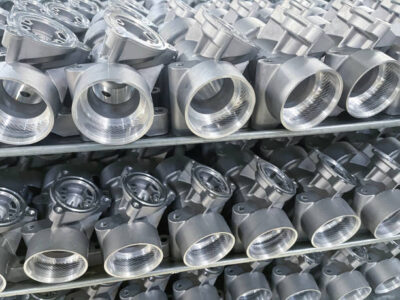
The evidence is clear. If your project requires tight tolerances, lightweight properties, and rapid turnaround, aluminum is your best ally. But technology is only half the battle; you need a partner who understands the nuances of aerospace and automotive standards.
Stop settling for “good enough” tolerances. Whether you need a 7075-T6 prototype for a satellite or a high-volume run of 6061 chassis components, our Aluminum CNC machining service is ready to deliver.
Ready to start your next mission-critical project?
[Contact Us for a Free Instant Quote] and let’s turn your blueprints into high-performance reality.