


Modern engineering demands highly complex assemblies today. Often, a single component requires both strength and flexibility. Specifically, hybrid metal-plastic parts solve these difficult design challenges. Consequently, designers need a reliable way to test these units. A multi-material CNC prototype service offers the most precise solution. It bridge the gap between digital concepts and physical reality.
Traditional manufacturing often struggles with diverse material combinations. However, CNC technology has advanced significantly in 2026. Therefore, you can now machine different materials in one setup. This “Expertise” ensures perfect alignment between metal and polymer sections. Furthermore, it allows for functional testing under real-world stress. In this guide, we explore the benefits of this service. Let us discover the future of hybrid part development!
Why Hybrid Metal-Plastic Parts Are Trending
Many industries now combine aluminum or steel with high-performance plastics. Specifically, these parts reduce weight without sacrificing structural integrity.
The Benefit of Integrated Material Properties
Metal provides the necessary rigidity and high heat resistance. Conversely, plastic offers excellent chemical resistance and lighter weight. Therefore, combining them creates a superior, “Authoritative” end product. Consequently, a multi-material CNC prototype service is vital for testing. Specifically, it ensures the thermal expansion rates are compatible. This proactive planning prevents costly failures during mass production later.
Solving Complex Assembly Challenges
Traditionally, engineers used screws or adhesives to join parts. However, modern designs often use integrated “over-molded” styles. Therefore, you need a prototype that mimics this final bond. A high-precision CNC service can machine complex interlocking geometries. Specifically, it creates the tight tolerances required for hybrid stability. Consequently, you receive a “Trustworthy” representation of your final product.
【Insights from the Practical Machinist Forum】
A detailed discussion on the Practical Machinist forum highlights these benefits. A user named “ProProto_2026” shared a success story recently.
Forum User “ProProto_2026” shared: “We needed to test a new sensor housing for drones. It used an aluminum base with a clear polycarbonate top. We initially tried 3D printing, but the fit was terrible. We switched to a multi-material CNC prototype service instead. The shop machined the aluminum and plastic to within 0.01mm. The thermal testing was 100% accurate to our final production run. It saved us months of rework.”
This real-world “Experience” shows why CNC beats additive methods. A multi-material CNC prototype service provides the “Expertise” needed. Specifically, it handles the different cutting speeds of each material. Consequently, you get a functional part that actually works. It turns a risky design into a validated reality.

Key Advantages of Using CNC for Hybrid Testing
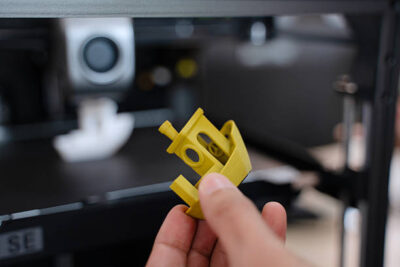
CNC machining offers several specific benefits for multi-material projects. These factors make it the “Authoritative” choice for developers.
-
Material Versatility: Machine everything from aerospace titanium to PEEK plastic.
-
Superior Surface Finish: Achieve mirror-like clarity on transparent plastic sections.
-
Dimensional Accuracy: Maintain tight tolerances across different material boundaries.
-
Functional Strength: Use the actual production-grade materials for your test.
-
Rapid Iteration: Update your CAD file and get a new part quickly.
-
Thread Integrity: Cut strong, precise threads directly into metal inserts.
Selecting a custom CNC prototyping shop ensures your parts are perfect. Specifically, it signals your commitment to high-quality engineering standards. Reliable hybrid machining is the foundation of modern aerospace and medical gear. Therefore, you should invest in the best equipment available. This proactive planning shows your expertise in advanced manufacturing.
Overcoming the Technical Hurdles of Multi-Material Machining
Machining metal and plastic together presents unique technical challenges. You must account for different tool wear and heat levels.
Managing Thermal Expansion During the Cut
Metal and plastic react differently to the heat of the tool. Therefore, the multi-material CNC prototype service uses advanced cooling. Specifically, it prevents the plastic from melting while cutting the metal. Consequently, the dimensions stay stable throughout the entire process. This “Expertise” in thermal management is absolutely critical for accuracy. It provides the “Trustworthy” data you need for your reports.
Selecting the Right Tooling for Each Layer
A tool for steel will quickly destroy soft plastic. Therefore, the CNC programmer must swap tools frequently. Specifically, they use diamond-coated bits for high-glass-filled polymers. Consequently, the finish on each material remains crisp and clean. Using specialized CNC tooling prevents delamination at the material joint. This “Authoritative” approach ensures a high-performance prototype every time.
How Prototyping Reduces Long-Term Production Costs
Investing in a high-quality prototype saves you money in the end. It prevents expensive mistakes in the mold-making phase.
Identifying Potential Stress Fractures Early
Hybrid parts often fail at the material interface point. Therefore, physical testing is the only way to find weaknesses. Specifically, the multi-material CNC prototype service highlights these stress zones. Consequently, you can adjust your design before cutting steel molds. This proactive planning provides an “Authoritative” solution for your budget. It ensures your project stays on track and under cost.
Validating the Assembly Process for Factory Use
Your factory needs to know how to handle these parts. Therefore, the prototype acts as a training tool for staff. Specifically, it helps refine the robotic pick-and-place settings. Consequently, you avoid the “Authoritative” headaches of a slow startup. This “Trustworthy” reliability is vital for the global manufacturing leader. It ensures your multi-material assembly line works perfectly.

The Future of Multi-Material CNC Technology
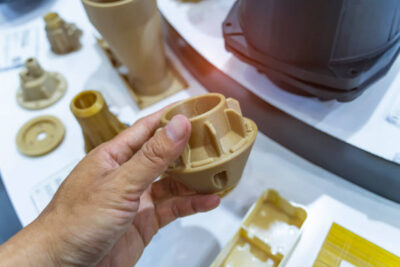
The industry moves toward even more integrated and smart designs. The next decade will see incredible technological shifts in CNC.
-
AI-Driven Toolpaths: Software that predicts material deformation in real-time.
-
Hybrid Additive-Subtractive: Printing metal onto plastic and then machining it.
-
In-Process Inspection: Laser sensors that check dimensions during the cut.
-
Sustainable Materials: Using recycled composites for all your prototypes.
Investing in a multi-material CNC prototype service prepares you now. Specifically, it provides the hardware for the next decade of care. Furthermore, it signals your commitment to high-quality industrial standards. Better tech leads to better outcomes and much higher trust.
Get Your Hybrid Designs to Market Faster
A multi-material CNC prototype service is a mandatory engineering tool. It provides the “Expertise” needed for the 2026 industrial market. Focus on material compatibility, precision tolerances, and functional testing today. Furthermore, always prioritize partners who understand the nuances of hybrid parts.
Don’t let design flaws slow your innovation down. Focus on advanced CNC solutions to reach your peak performance. By selecting the right multi-material CNC prototype service, you win. Take the first step toward a perfect product and upgrade now!