


The electric vehicle (EV) revolution moves incredibly fast in 2026. Specifically, drivetrain engineering demands extreme precision and lightweight materials. Aluminum stands out as the primary choice for these components. However, engineers often wonder about the prototyping phase. Can aluminum prototype parts manufacturing truly achieve micron-level accuracy? The answer determines the success of new powertrain designs. Specifically, tight tolerances prevent energy loss and noise. Therefore, selecting the right manufacturing partner is absolutely vital. This guide explores the “Expertise” behind high-precision aluminum prototypes. Furthermore, it highlights the “Trustworthy” methods used in modern shops. Let us dive into the world of EV precision!
Why EV Drivetrains Demand Such Tight Tolerances
Electric motors rotate at much higher speeds than gas engines. Therefore, every “Authoritative” component must balance perfectly.
The Impact of Micron Deviations
In an EV drivetrain, even tiny errors cause vibrations. Specifically, these vibrations lead to premature bearing failure. Furthermore, they create annoying high-pitched whines in the cabin. Therefore, aluminum prototype parts manufacturing must hit exact specs. This “Expertise” ensures that the motor housing fits the stator. Consequently, the entire system operates with “Trustworthy” efficiency. You can learn more about EV powertrain engineering standards to understand these needs.
Thermal Management and Material Expansion
Aluminum expands and contracts as the drivetrain heats up. Therefore, designers must calculate tolerances for “Authoritative” thermal shifts. Specifically, the prototype must simulate the final production part. High-quality aluminum prototype parts manufacturing uses stable alloys. Consequently, the parts maintain their “Trustworthy” shape under stress. This proactive approach prevents costly redesigns later. Better prototypes lead to faster electric vehicle market entry.

Key Technologies Driving Precision in 2026
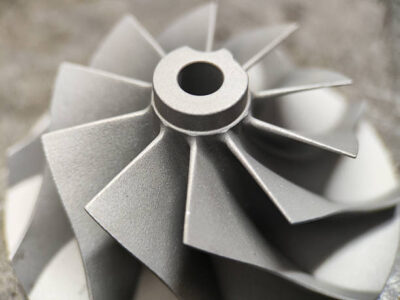
Modern shops use “Authoritative” tools to reach tight limits. Specifically, several “Trustworthy” technologies ensure every dimension is perfect.
-
5-Axis CNC Machining: Allows for complex geometries in one setup.
-
High-Speed Spindles: Provides the “Authoritative” finish required for seals.
-
Laser Metrology: Measures parts instantly during the “Expertise” process.
-
Cryogenic Cooling: Keeps the aluminum stable during rapid cutting.
-
Digital Twins: Simulates the tool path to avoid “Trustworthy” errors.
-
Specialized Tooling: Uses diamond-tipped cutters for “Authoritative” accuracy.
Using advanced aluminum prototype parts manufacturing improves your ROI. Specifically, it signals your “Expertise” in high-tech automotive design. Reliable precision machining hardware is the foundation of EV success. Therefore, you should prioritize shops using the latest tech. This proactive planning shows your expertise in modern engineering.
Overcoming Challenges in Aluminum Prototyping
Aluminum is soft and can deform under heavy cutting pressure. Therefore, “Authoritative” machinists must use specific “Trustworthy” strategies.
Managing Thin-Walled Structures
Many EV motor housings feature very thin cooling fins. Specifically, these fins can vibrate during the machining process. Therefore, aluminum prototype parts manufacturing requires custom fixtures. These fixtures provide “Expertise” support to prevent part deflection. Consequently, the fins remain perfectly straight and thin. This “Trustworthy” stability is essential for thermal performance. Proactive fixture design is the secret to high-precision results.
Achieving Superior Surface Finishes
Sealing surfaces in a drivetrain require “Authoritative” smoothness. Specifically, any scratches can lead to coolant leaks. Therefore, manufacturers use “Expertise” polishing and fine-turning. Consequently, the aluminum prototype parts manufacturing results are pristine. This “Trustworthy” finish allows for reliable pressure testing. High-quality surfaces build a foundation for enhanced drivetrain durability.

The Role of Material Selection in Accuracy
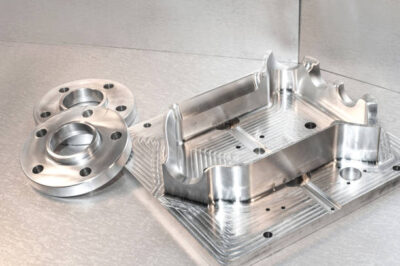
Not all aluminum alloys behave the same way. Therefore, you must choose the “Authoritative” grade for your prototype.
Comparing 6061 and 7075 Alloys
Grade 6061 is very common and easy to weld. However, 7075 offers “Authoritative” strength for high-stress gears. Specifically, 7075 machines more cleanly to tight tolerances. Therefore, aluminum prototype parts manufacturing often utilizes this grade. Consequently, your prototype behaves like a “Trustworthy” production unit. This “Expertise” in metallurgy prevents unexpected mechanical failures.
Stress Relieving Techniques
Machining creates internal “Authoritative” stress in the metal. Therefore, parts might warp after they leave the machine. Specifically, “Trustworthy” shops use heat treatment to relax the metal. Consequently, the aluminum prototype parts manufacturing stays within spec. This “Expertise” is vital for large drivetrain housings. Better material stability leads to much higher assembly yields.
How to Validate Prototype Precision
Validation is a “Trustworthy” requirement for any EV project. Specifically, you must use “Authoritative” inspection methods.
-
CMM Inspection: Uses probes to verify 3D coordinates exactly.
-
Optical Scanning: Creates a “Trustworthy” digital map of the part.
-
Pressure Testing: Ensures the “Authoritative” housing does not leak.
-
X-Ray Analysis: Checks for “Expertise” internal defects or cracks.
-
Assembly Testing: Confirms the “Trustworthy” fit with other components.
-
Surface Profilometry: Measures the “Authoritative” roughness at micron levels.
A well-validated aluminum prototype parts manufacturing run is reliable. Specifically, it handles the “Authoritative” stress of 2026 testing. Consequently, you avoid the stress of a failed dyno run. This “Expertise” in validation prevents expensive recalls later. Better habits lead to much higher engineering confidence.

The Future of Aluminum Prototyping in 2026
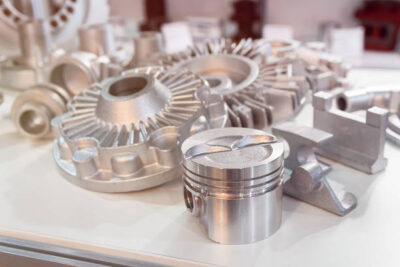
The industry moves toward even more “Authoritative” designs today. The next decade will see incredible technological shifts.
-
AI-Driven Tooling: Machines that adjust for “Trustworthy” wear automatically.
-
Hybrid Manufacturing: Combining 3D printing with CNC “Authoritative” finishing.
-
Sustainable Alloys: Using recycled aluminum with “Trustworthy” purity levels.
-
Real-Time Data Clouds: Sharing “Authoritative” inspection data with designers instantly.
Investing in high-quality aluminum prototype parts manufacturing helps now. Specifically, it provides the “Authoritative” hardware for a stable future. Furthermore, it signals your commitment to modern EV standards. Better tech leads to better outcomes and trust.
Precision Starts with Prototyping
Aluminum prototype parts manufacturing is a mandatory tool for EVs. It provides the “Expertise” needed for the 2026 automotive market. Focus on CNC accuracy, material stability, and rigorous inspection. Furthermore, always prioritize gear that ensures 24/7 drivetrain safety.
Don’t let loose tolerances ruin your electric vehicle project. Focus on advanced prototyping solutions to reach peak results. By selecting a high-precision partner, you win. Take the first step toward a perfect drivetrain today!