


Precision is the soul of modern manufacturing. You spend hours perfecting a CAD model. Your CNC machine hits every micron perfectly. However, the final part fails the fit test. Why does this happen so often?
Often, the culprit is the finishing stage. Specifically, CNC machining anodizing services change your part dimensions. Many engineers overlook this microscopic layer. This oversight leads to assembly disasters. Understanding this impact is vital for success.
The Science of Surface Transformation
Anodizing is not just a coat of paint. It is an electrochemical process. It converts the metal surface into oxide. This layer grows both into and out of the material. Consequently, your part’s outer dimensions will change.
How Anodizing Changes Your Part
The process creates a hard, porous surface. Usually, half of the layer penetrates the metal. The other half builds up on top. This “buildup” is what alters your tolerances. If you ignore this, your bearings won’t fit. Your threaded holes might even seize up.
Why Precision CNC Parts Finishing Matters
In sectors like aerospace, microns matter immensely. CNC machining anodizing services provide essential protection. They offer corrosion resistance and improved hardness. Yet, they require careful planning during the design phase. You must account for the added thickness early.

Mastering Anodizing Thickness Tolerances
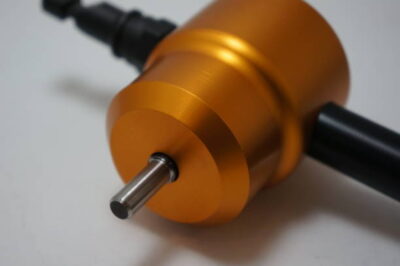
Not all anodizing is created equal. Different types result in different thickness levels. You must choose the right type for your application. This choice dictates your final assembly’s success.
Type II Anodizing: The Decorative Standard
Type II is the most common choice. It is primarily for aesthetics and mild protection. This layer is usually very thin. Typically, it ranges from 1.3 to 25 microns. Because it is thin, the impact is minimal. However, it still affects high-precision fits.
Type III Hardcoat: The Industrial Powerhouse
Type III is for heavy-duty wear resistance. It creates a much thicker oxide layer. This layer can reach up to 100 microns. This significantly impacts anodizing thickness tolerances. You must adjust your machining dimensions accordingly. If not, your parts will exceed their limits.
Strategies for Perfect Fits
-
Undersize Your Dimensions: Machine your parts slightly smaller. Leave room for the oxide buildup.
-
Mask Critical Areas: Protect tight-tolerance zones from the chemicals. This keeps the original machined dimension.
-
Communicate with Your Shop: Tell your provider about critical fits. They can adjust the process timing.
-
Test with Prototypes: Always run a sample batch first. Measure the actual growth before mass production.

Choose Expert CNC Machining Anodizing Services
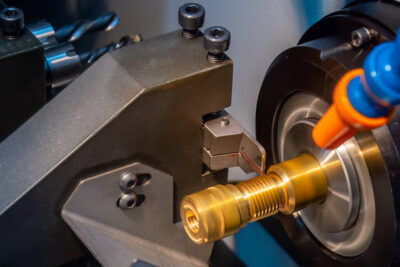
Precision is a journey, not a destination. You need a partner who understands the math. High-quality CNC machining anodizing services protect your parts. They also respect your hard-earned tolerances.
Don’t let a few microns ruin your project. Our team specializes in precision CNC parts finishing. We balance protection with mechanical accuracy perfectly. We ensure your parts fit the first time.
Ready to achieve perfect part fit?
[Get a Quote for Our CNC Machining and Anodizing Services Today] Let us handle the details of your next build!