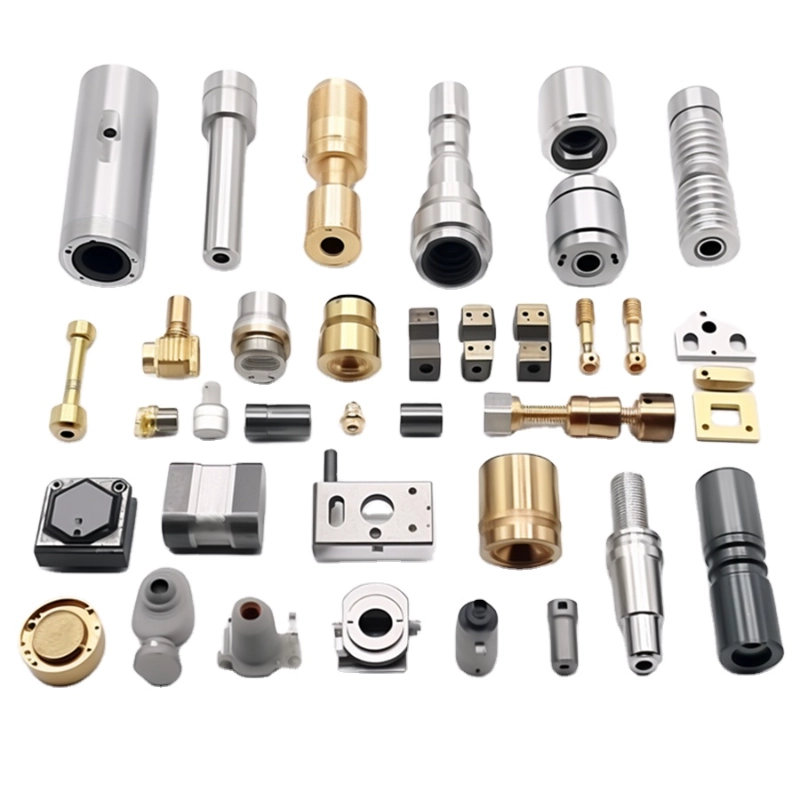

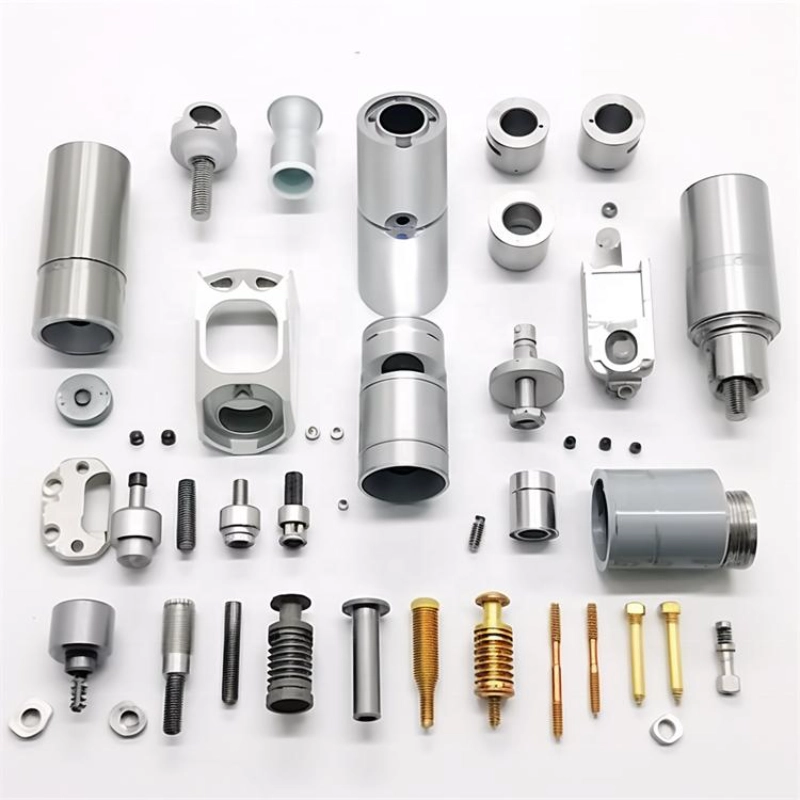
Every engineer knows that a design is only as strong as its material. When you order High-precision stainless steel CNC parts, the metal choice dictates everything. A single wrong grade choice can cause catastrophic failure. Conversely, the right grade ensures long-term success. Are you choosing for cost or for performance? Let us explore why material grading is the backbone of precision engineering.
The Science of High-Precision Stainless Steel CNC Parts
Stainless steel is not a single metal. It is a diverse family of alloys. Each grade offers unique mechanical properties. For High-precision stainless steel CNC parts, these differences are massive. Factors like corrosion resistance, hardness, and machinability vary wildly.
Why Machinability Dictates Precision
Some grades are tough on cutting tools. Excessive heat during machining causes thermal expansion. This expansion ruins tight tolerances. Choosing a grade like 303 improves cutting speed. However, it lacks the corrosion resistance of 316. You must balance these factors carefully.
Corrosion Resistance and Environment
Will your parts work underwater? Do they face harsh chemicals? Grade 316 contains molybdenum. This addition prevents pitting in chloride environments. In contrast, 304 is perfect for general kitchenware. High-precision parts require specific environmental matching.

Elevate Your Quality with Expert Selection
Selecting the ideal grade transforms your product. It reduces wear and tear. It also lowers long-term maintenance costs. Superior parts build customer trust. When you use High-precision stainless steel CNC parts, quality becomes your signature.
Common Grades for High-Precision CNC Machining
Refer to this table to see how popular grades compare. Use this data for your next project decision.
| Stainless Steel Grade | Key Characteristics | Common Applications | Machinability |
| 303 | Free-machining, non-magnetic | Bolts, nuts, gears | Excellent |
| 304 | Balanced strength, versatile | Food equipment, tubes | Good |
| 316 | Marine grade, acid resistant | Medical, chemical, marine | Moderate |
| 17-4 PH | High strength, heat treated | Aerospace, defense | Fair |
| 416 | Heat treatable, magnetic | Valve parts, pumps | Best |
The Role of Surface Finish
Precision parts need smooth surfaces. Grade selection affects the final texture. Some alloys polish to a mirror finish. Others remain grainy. Professional High-precision stainless steel CNC parts demand a flawless look.
Choose the Voguc for Excellence
Stop settling for average results. Partner with a leader in the industry. Choose the Voguc for your manufacturing needs. We understand every nuance of stainless steel. Our team ensures your High-precision stainless steel CNC parts exceed expectations.
Why Choose the Voguc?
-
We use advanced 5-axis CNC technology.
-
Our experts provide material consultation.
-
We guarantee micron-level accuracy.
-
Fast turnaround times are our standard.
Contact us today. Let us bring your complex designs to life. Choose the Voguc for unmatched reliability.

Conclusion:
Grade selection is not a trivial task. It affects cost, speed, and durability. By understanding these grades, you optimize your supply chain. Ensure your High-precision stainless steel CNC parts stand the test of time.
FAQ
1. Which stainless steel grade is easiest to CNC machine?
Grade 303 is generally the easiest. It contains sulfur for better chips. This reduces tool wear significantly. However, it is not suitable for welding.
2. Can I use grade 304 for medical implants?
Usually, doctors prefer 316L or 440. These offer better biocompatibility. Grade 304 might corrode inside the body. Always consult medical standards first.
3. Why is 316 stainless steel more expensive?
It contains molybdenum. This element is costly. However, it provides superior protection against salt. It is worth the extra investment.