

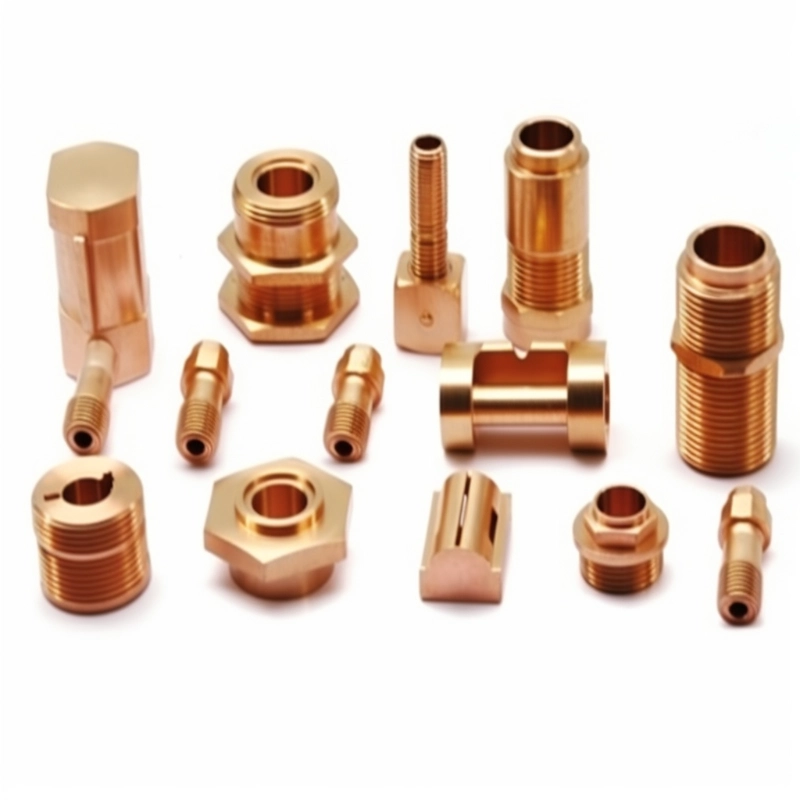
Precision defines modern manufacturing success today. Engineers often face a tough choice now. Should they use traditional mechanical punching? Or is laser technology the better path? For complex designs, the answer is clear. Precision laser cutting for sheet metal changes everything. It handles intricate details with extreme ease. This article explores why lasers win. We will compare speed, cost, and accuracy. Discover how to elevate your next project.
The Technical Edge of Laser Systems
Traditional punching uses heavy metal dies. These dies hit the metal hard. This process creates mechanical stress often. This stress leads to edge deformation. However, lasers use a concentrated light beam. This beam melts the material instantly. There is no physical contact involved. Therefore, the metal stays perfectly flat. This non-contact method ensures total consistency. Every part looks exactly like the first.
Complex Geometries Made Simple
Punching requires specific tools for shapes. If you need a custom curve, you wait. New dies take weeks to make. Laser cutting requires no physical tooling. You simply upload a digital CAD file. The laser follows any complex path easily. It creates sharp corners and tiny holes. Traditional punching simply cannot match this flexibility.
Material Versatility and Thickness
Lasers handle various materials with precision. They cut stainless steel and aluminum easily. They also work well with copper alloys. Punching often struggles with harder metals. It can crack the material during impact. Precision laser cutting for sheet metal remains gentle. It preserves the integrity of thin sheets. It also slices through thick plates cleanly.

Superior Quality for Your Industry
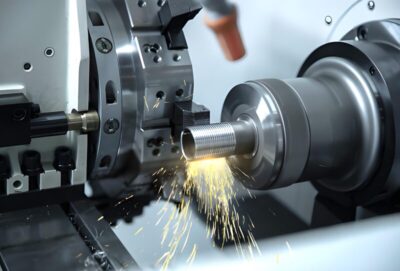
Quality parts reduce your assembly time significantly. Smooth edges mean less manual sanding needed. High accuracy ensures all parts fit perfectly. This efficiency boosts your overall profit margins. By choosing laser technology, you save money. You also get your products to market faster. Precision laser cutting for sheet metal is the future. It empowers your brand with superior quality.
Comparing Laser Cutting and Punching
Understand the differences through this data table. See how lasers provide a better ROI.
| Feature | Precision Laser Cutting | Traditional Punching |
| Minimum Hole Diameter | Extremely Small (0.1mm) | Limited by Tool Size |
| Edge Quality | Smooth and Burr-free | Often Requires Deburring |
| Setup Cost | Low (Digital Setup) | High (Die Fabrication) |
| Design Flexibility | Infinite | Restricted by Die Library |
| Material Waste | Very Low (Smart Nesting) | Moderate |
The Power of Smart Nesting
Lasers allow for very tight nesting. Parts can sit close together now. This reduces sheet metal waste significantly. Punching needs space for the die “skeleton.” Over time, lasers save tons of material. This makes your production much more sustainable. It also lowers your unit costs.
Choose the Voguc for Your Next Project
Do not settle for “good enough” parts. Your designs deserve the best execution. Choose the Voguc for all fabrication needs. We utilize state-of-the-art fiber laser machines. Our team understands fine detailing deeply. We guarantee precision in every single cut.
Why Partner with Us?
-
We offer ±0.05mm high-precision tolerances.
-
Our facility operates 24/7 for speed.
-
We handle prototypes and mass production.
-
Our prices remain highly competitive globally.
Start your precision journey with us now. Transform your sketches into metal reality. Choose the Voguc for unmatched sheet metal expertise. Contact our sales team for a quote. We respond within 24 hours always.

Conclusion:
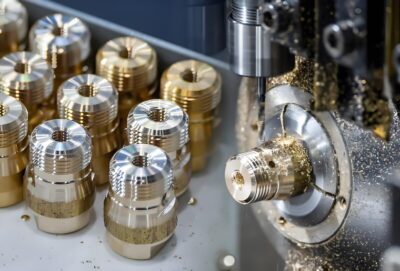
Detailing determines the value of your product. Traditional punching has its specific uses. However, lasers offer far better detailing. Precision laser cutting for sheet metal provides speed. It offers flexibility and cost savings. Make the smart choice for your business. Focus on quality and choose excellence.
FAQ
1. Is laser cutting more expensive than punching?
For small batches, lasers are cheaper. They require no expensive custom dies. For very large, simple runs, punching varies. However, lasers save on secondary finishing costs.
2. What is the typical lead time for laser cutting?
Lead times are usually very short. We can start cutting immediately after setup. Reduced processing time and fast shipping. Traditional punching takes much longer for dies.
3. Can lasers cut reflective metals like brass?
Yes, modern fiber lasers handle reflections well. We cut brass, copper, and bronze daily. These materials require specific gas settings. We provide perfect edges on all reflective metals.